


Get In Touch
Phone
+1 (234) 567 8899Address
121 Parkview Square St, NY 10012Get In Touch
Phone
+1 (234) 567 8899Address
121 Parkview Square St, NY 10012Follow us
What is Solar Energy?
Home - Benefits of Solar - What is Solar Energy
What is Solar Energy? Understanding Clean Power for Australian Homes & Businesses
Solar energy is clean, infinitely renewable power produced by harvesting radiant light and thermal heat directly from the Sun. Using advanced Photovoltaic (PV) technology, high-purity silicon solar panels convert light particles (photons) into usable electrical energy without emitting greenhouse gases, burning fossil fuels, or noise pollution. Australia receives some of the highest solar irradiance levels in the world, making solar power the single most efficient, cost-effective, and sustainable energy investment for property owners today.
The Science Behind Photovoltaic (PV) Energy Conversion
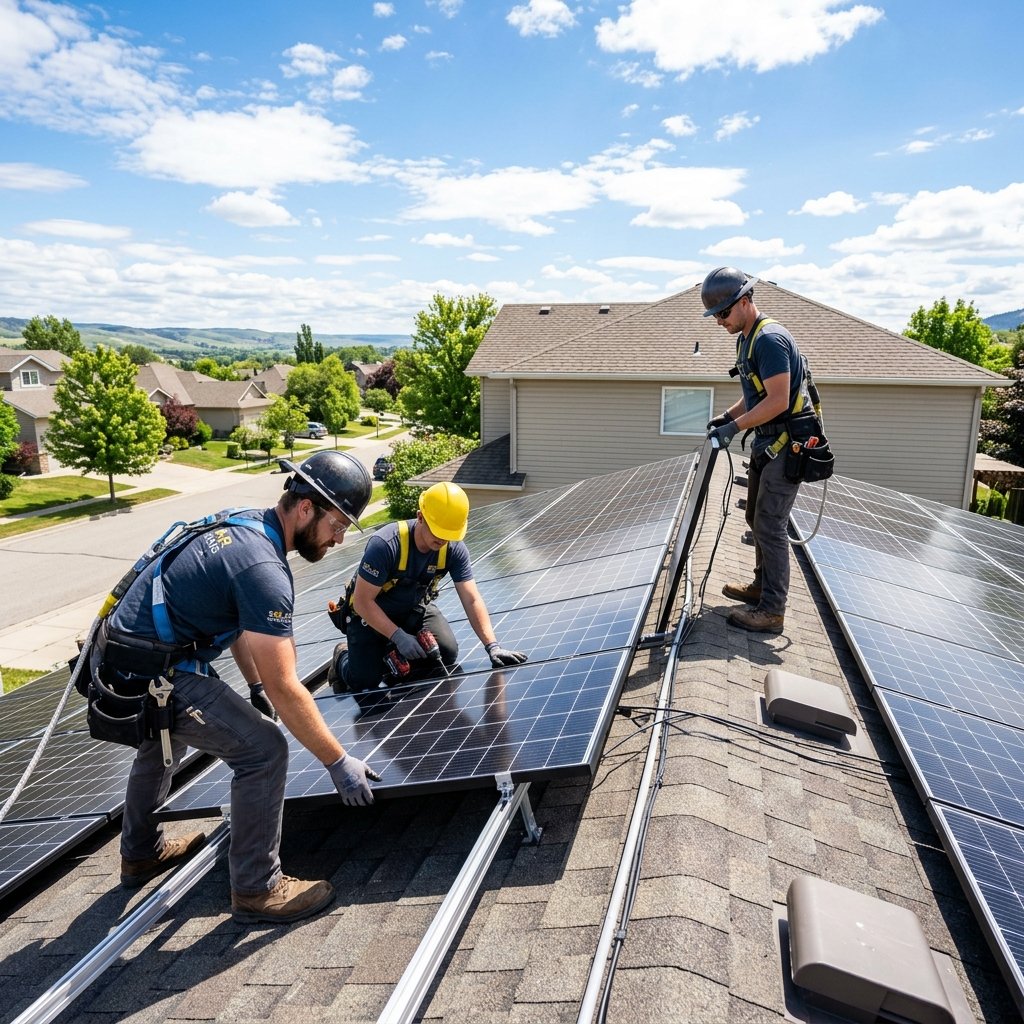
Solar photovoltaic systems rely on the photoelectric effect—a physical phenomenon where sunlight excites electrons inside silicon semiconductors to generate direct electrical current (DC). Here is how a complete solar system operates:
Monocrystalline silicon wafers absorb photons from daylight, knocking electrons free to produce Direct Current (DC) electricity.
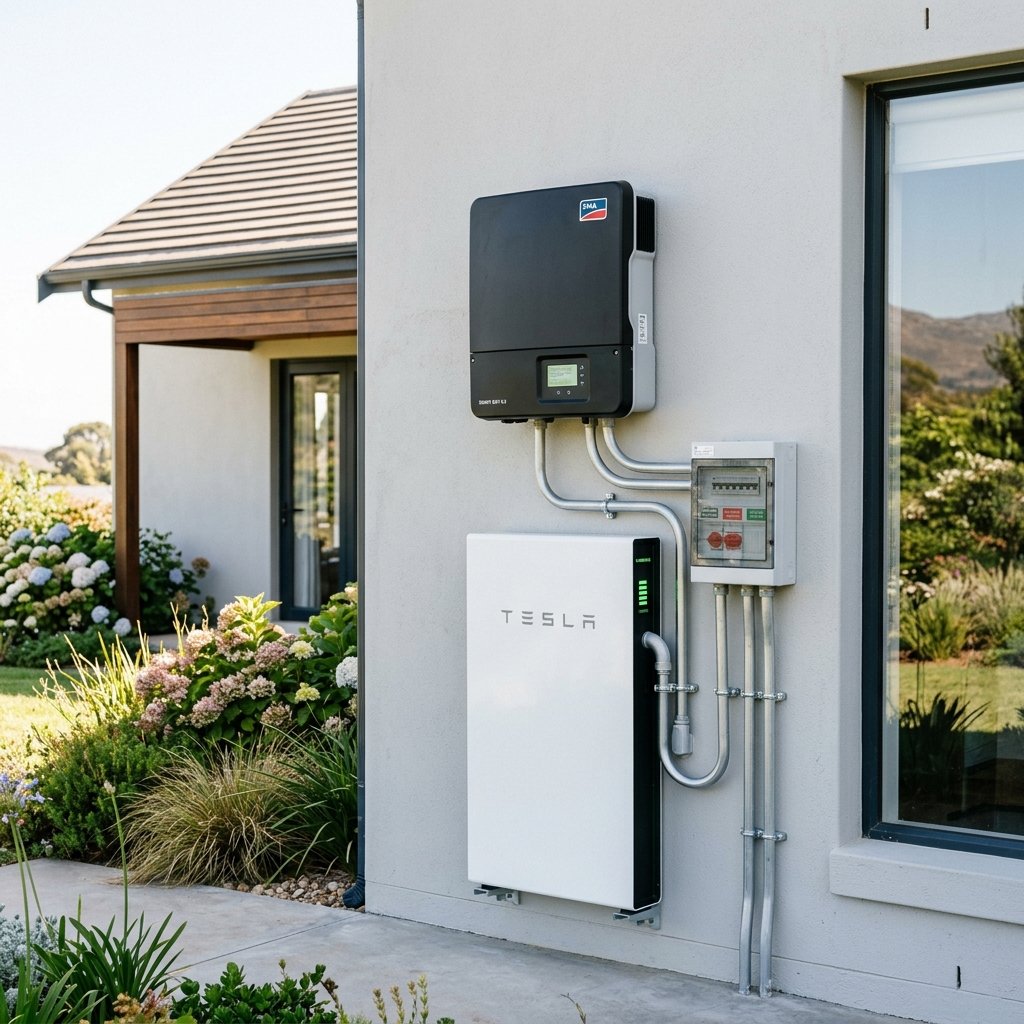
The solar inverter instantly converts raw DC voltage into grid-synchronized 240V Alternating Current (AC) electricity.
Clean AC power flows directly into your switchboard to run your lighting, kitchen appliances, air conditioning, and EV chargers.
Surplus energy generated during peak hours is either stored in a solar battery for nighttime use or sent to the grid for Feed-in Tariffs (FiT).
Environmental & Economic Impact of Going Solar
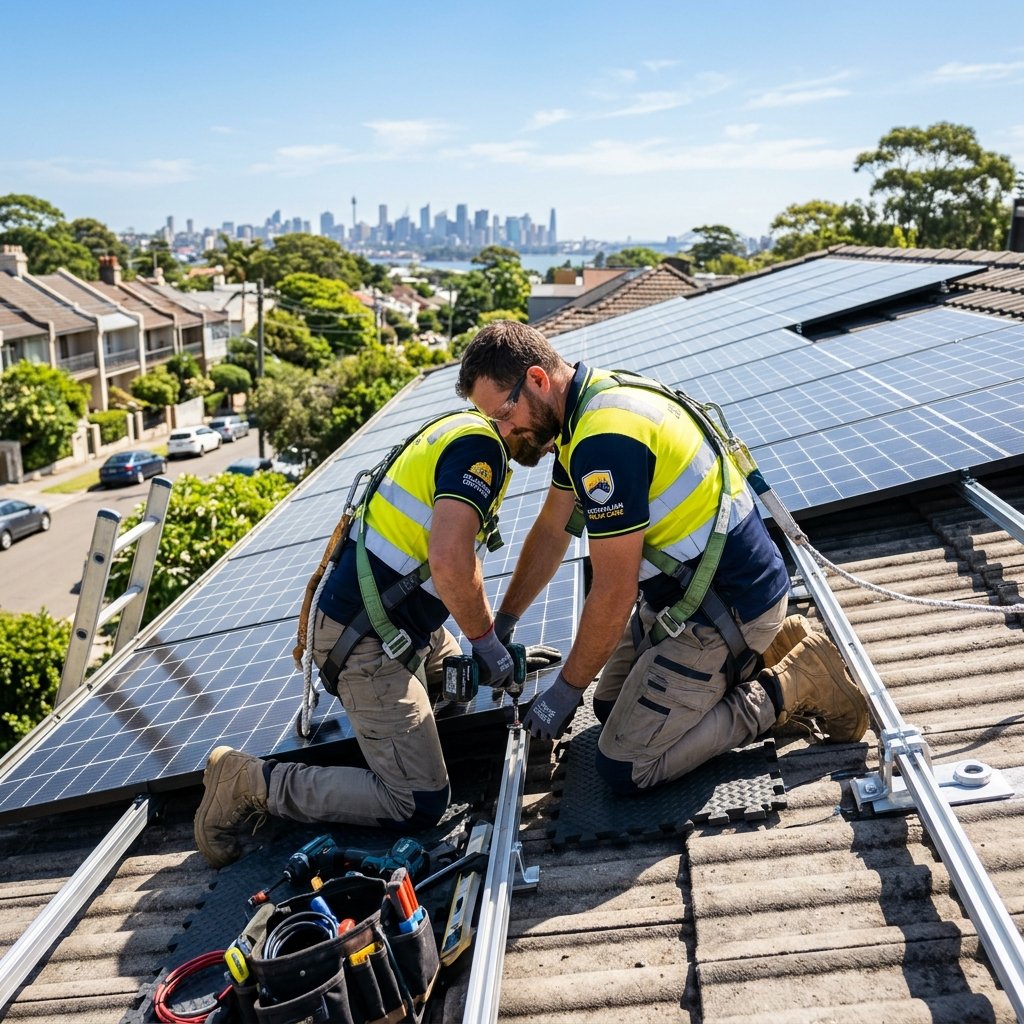
Transitioning to solar energy delivers immediate financial savings while helping protect Australia's fragile ecosystem. A typical 6.6kW residential solar array prevents 8 to 10 tonnes of CO2 greenhouse emissions per year—the environmental equivalent of planting over 150 trees annually or removing 2 petrol cars from Australian roads permanently.

Up to 80% Lower Utility Power Bills
Protection Against Rising Energy Inflation
Zero Direct Carbon Dioxide Emissions
Federal STC Point-of-Sale Rebates
Increases Home & Commercial Valuation
25-Year Manufacturer Performance Warranty
Seamless Battery Storage Integration
100% Unlimited Free Clean Power
Australia enjoys over 4.2 peak sun hours per day. When combined with CEC-accredited installation standards and federal STC financial subsidies, solar installations achieve an average Return on Investment (ROI) payback period of just 3 to 4 years.
Frequently Asked Questions About Solar Energy
Yes! Solar panels convert ambient daylight (diffuse radiation) as well as direct sunlight. On cloudy days, modern N-Type monocrystalline panels continue generating between 25% and 40% of their normal maximum output.
Solar panels do not generate power at night. During evening hours, your property automatically switches to drawing electricity from your solar battery (if installed) or seamlessly from the main grid.
Tier-1 solar panels are engineered for a 25 to 30 year operational lifespan. Sun Stone Solar installs panels with a 25-year linear output guarantee, ensuring panels maintain at least 84%+ of their initial rating after 25 years.
Benefits of Solar
Get A Quote

Get a free, zero-obligation custom solar proposal & battery feasibility report tailored for your property.
Call 1300 SUN STONE
© Sun Stone Solar, All Rights Reserved.